
Blog
Phantom Wallet: How to Install the Browser Extension, Use the App, and Stay Secure

If you’re dipping into Solana, Phantom is one of the easiest wallets to get running. Really? Whoa! Something felt off about some download pages I saw, so I checked certificates and publisher info. I hesitated because extensions can be risky, so I double-checked permissions and read community threads. My first impression was simple: clean design, fast transactions, and a small learning curve.
Start with the basics and take time to read install prompts before you agree. Phantom runs as a browser extension for Chromium-based browsers like Chrome, Brave and Edge, and there are official mobile apps for iOS and Android if you want on-the-go access. Install from verified sources and avoid random links; that matters more than you might think.
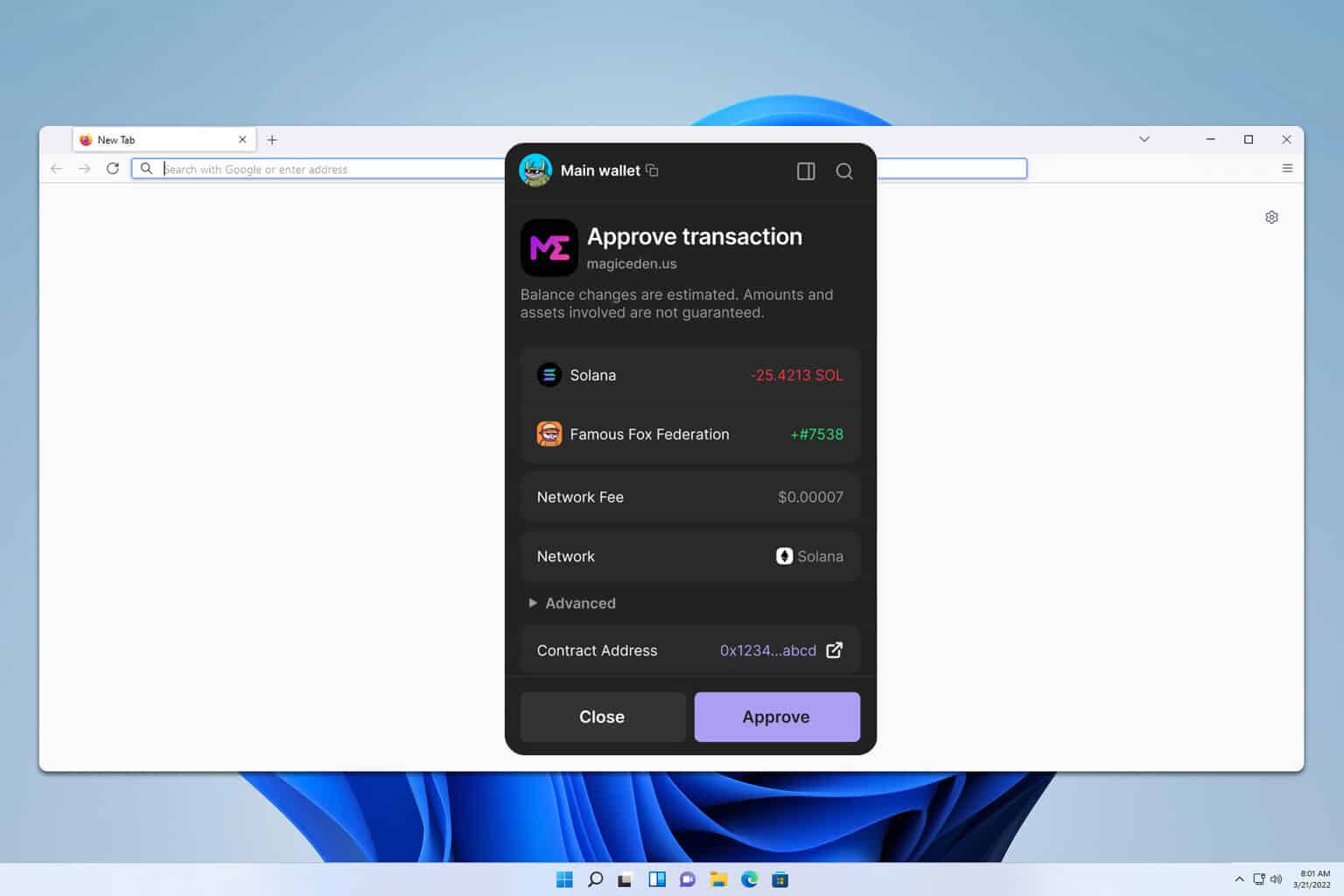
Installing and verifying the Phantom extension
If you want a straightforward route, consider this phantom wallet download extension which points to a reliable starting place, but still confirm the site and store listing before proceeding—phishing copies exist. Seriously? Read the permissions prompt carefully; it will ask for typical extension access like connecting to sites and reading page content, but it must never ask for your seed phrase or private keys.
Here’s the thing. Create a wallet only after you understand seed phrases and backups—write your 12 or 24-word seed on paper, store copies in secure physical locations, and treat it like cash. Don’t screenshot it. Initially I thought a cloud backup was convenient, but then I realized the risk of compromise; actually, wait—let me rephrase that: cloud backups can be used only if you apply strong encryption and maintain solid key management.
If you lose your seed, no one can recover it for you, so plan ahead. Create multiple accounts within the extension to separate funds for everyday use and long-term storage. This part bugs me. Connecting to DApps is seamless and user-friendly, but that convenience makes accidental approvals easier, so always check transaction details before confirming.
Pause before approving anything and verify the site domain plus the popup content. There are phishing sites that mimic popular Solana DApps and even fake approval dialogs that request suspicious permissions, so adopt a habit of testing new DApps with nominal balances first. Performance is impressive. Phantom’s UI surfaces token balances, NFTs, swap features and staking options without feeling cluttered, and syncing with Solana is generally fast thanks to modern RPC endpoints and sensible defaults.
I’m biased, but I prefer wallets that focus on core tasks rather than trying to do everything. Oh, and by the way… the extension supports multiple accounts, easy switching, and integrations with hardware wallets which helps when you want to scale security for larger holdings. For high-value assets, combine Phantom with a hardware wallet and use a dedicated browser profile to reduce exposure. Keep the extension updated, periodically revoke unused DApp approvals, and be cautious with auto-connecting features some sites push.
There are trade-offs between convenience and security, and initially I thought defaults were fine, though after testing and talking to other users I now lean toward stricter settings and manual confirmations. Try it with small amounts, learn the UI, then move larger sums only after you’re comfortable. I’m not 100% sure about every edge case, and some attack vectors evolve quickly, but these steps cover most real-world risks. If something feels off—an unfamiliar popup, a misspelled domain, somethin’ that looks slightly ‘off’—walk away and investigate.
Security is mostly about habits, not miracles, so build good habits early and you’ll sleep better. Wow.
FAQ
Can Phantom ask for my seed phrase during installation?
No. Never enter your seed phrase into any website or extension prompt. The extension will never require the seed to operate; entering it into a webpage or unknown dialog is a strong sign of phishing.
Should I use the mobile app or browser extension?
Both are valid, but use the app for convenience on the go and the extension for desktop DApp interactions. For larger balances, pair either with a hardware wallet. I’m not 100% sure which setup will fit your workflow best, so try small tests and adjust as you go.